
Hyperpigmentation can affect people of all ages and skin types, resulting in dark patches, uneven tone, and marks that may develop from sun exposure, hormonal changes, acne scarring, or ageing. While topical creams alone often deliver limited improvement, professional hyperpigmentation treatment Cheshire options use advanced medical methods to address pigment at the source and deliver lasting results.
This article explores the most effective hyperpigmentation treatments available in Cheshire, how they work, who they are suitable for, and what to expect from a tailored treatment plan.
Understanding Hyperpigmentation
Hyperpigmentation occurs when the skin produces excess melanin in specific areas. This leads to darker spots or patches that contrast with surrounding skin. Common types treated professionally include:
Sun Spots
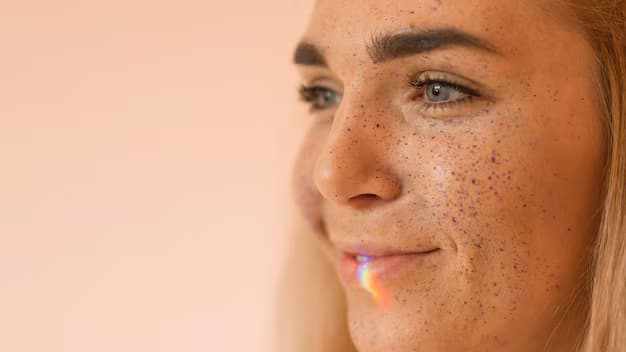
Also known as age spots or solar lentigines, these appear after prolonged sun exposure.
Melasma
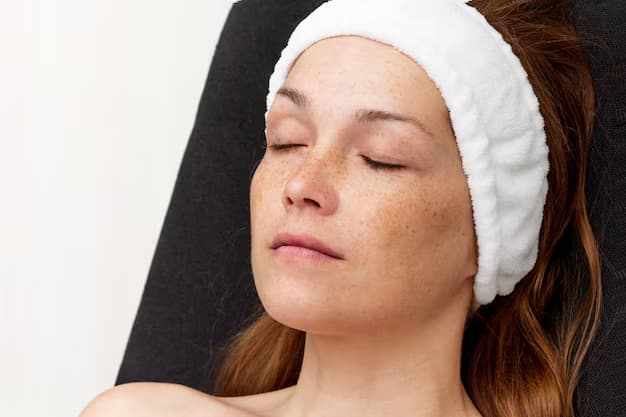
Often linked to hormonal fluctuations, melasma appears as symmetrical patches, especially on cheeks, forehead, and upper lip.
Post Inflammatory Hyperpigmentation
Dark marks that remain after acne, irritation, or injury to the skin.
Comprehensive Consultation and Skin Assessment
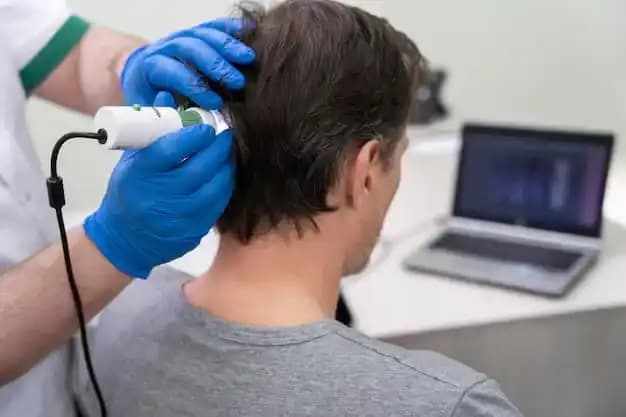
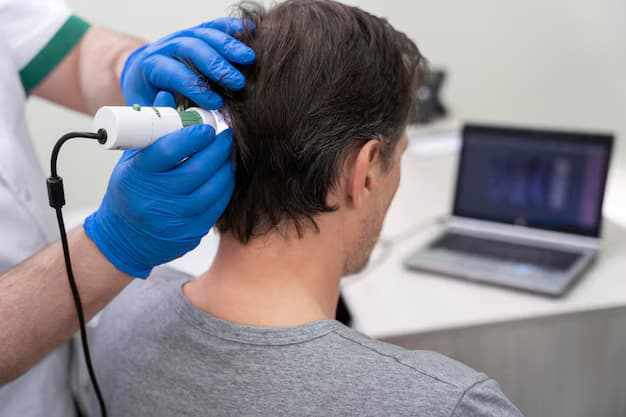
Before any treatment begins, a detailed consultation and professional skin assessment are essential. Specialists examine the type and depth of pigmentation and consider skin tone, medical history, lifestyle factors, and treatment goals. This personalised evaluation guides the selection of the most appropriate hyperpigmentation treatment Cheshire options and minimises the risk of side effects.
Advanced Laser and Light Based Treatments
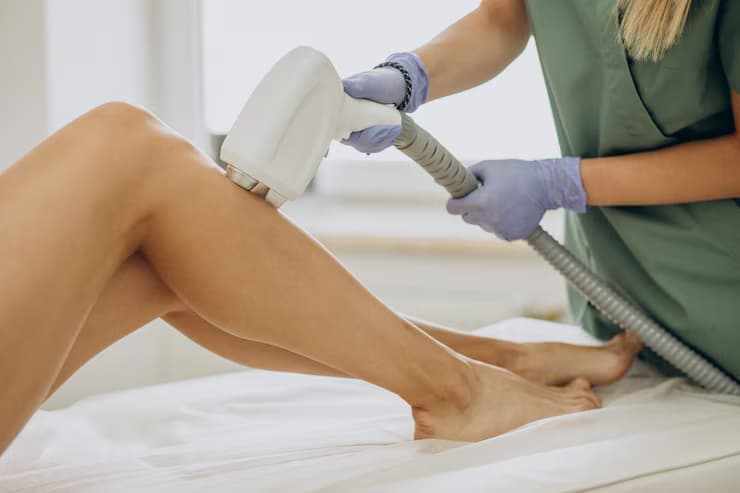
Laser and light therapies are among the most effective professional approaches for reducing excess pigmentation.
Picosecond Laser Therapy
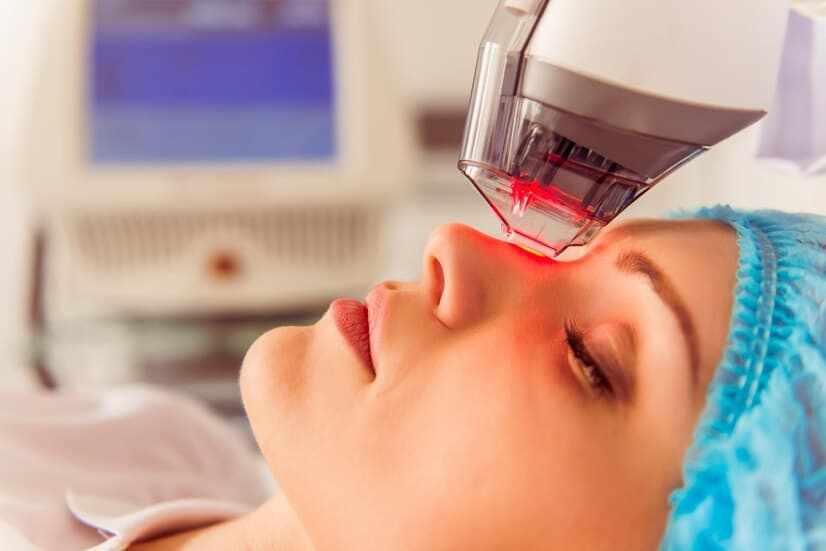
Picosecond lasers deliver ultra short pulses of energy that break pigment into tiny fragments. The body’s immune system then naturally clears these particles over time. Because the pulses are so fast and the heat minimal, this technology is well suited for stubborn pigmentation including deeper melasma and sun spots.
Q‑Switched Laser Systems
Q‑switched lasers target specific pigment particles with intense, short bursts of light. This breaks down melanin while preserving surrounding tissue and is effective for many types of pigmented lesions.
Intense Pulsed Light (IPL) Therapy
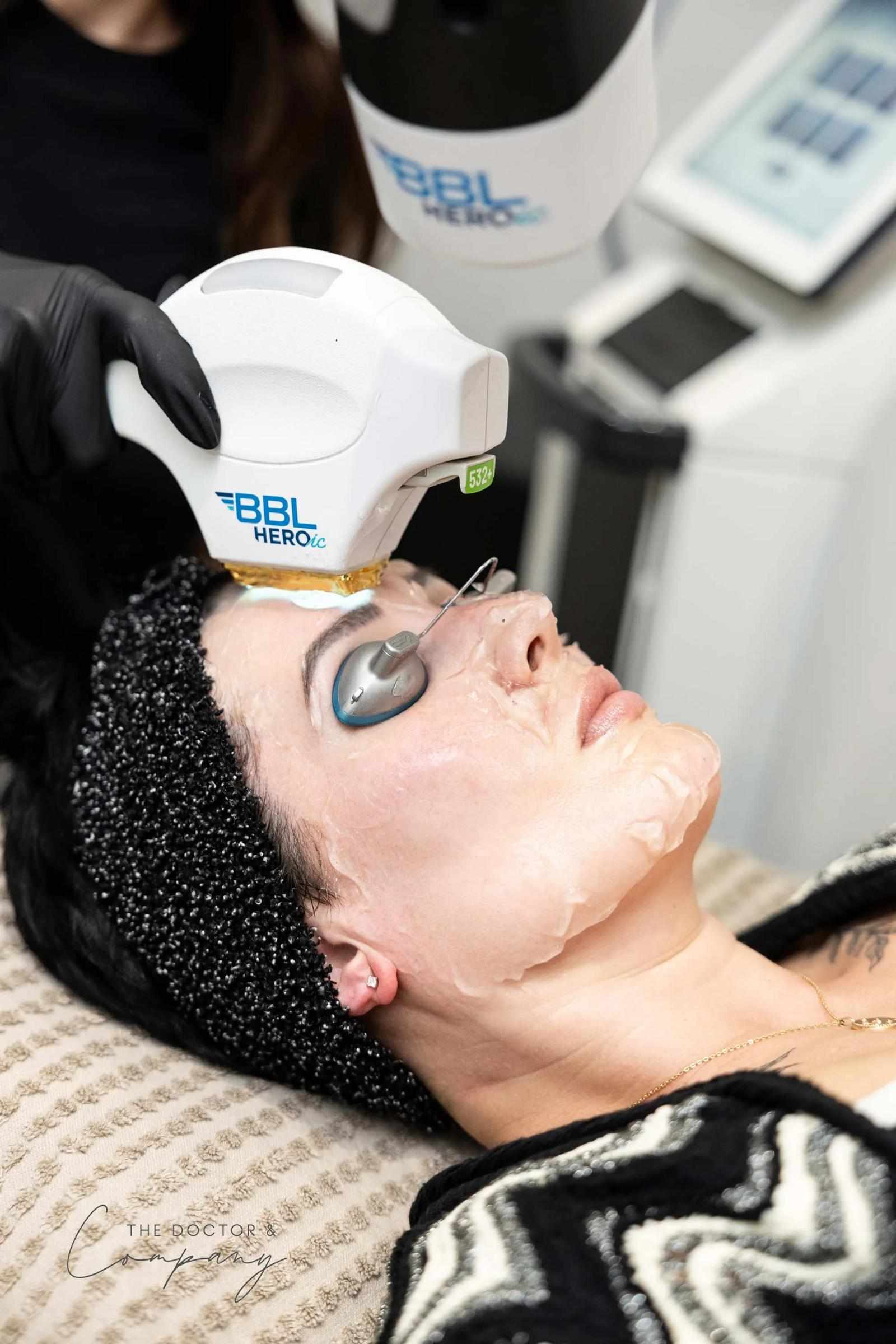
IPL uses broad spectrum light to improve both pigmentation and overall tone. It is particularly useful for sun related hyperpigmentation and can also help reduce redness and early signs of ageing for a more even complexion.
Chemical Peels for Surface Renewal
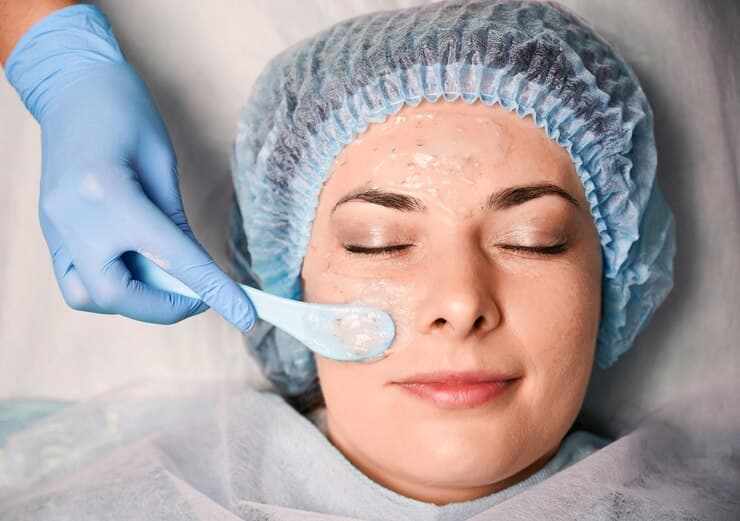
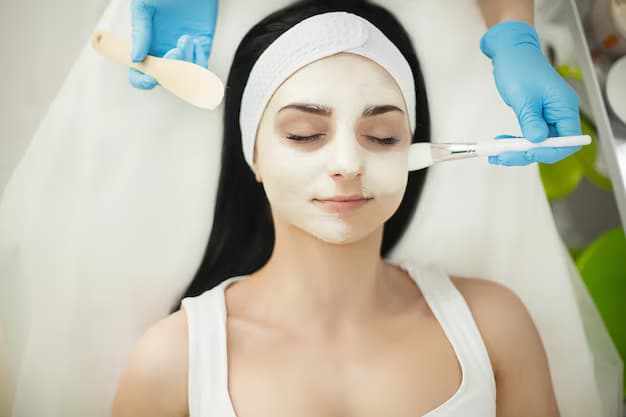
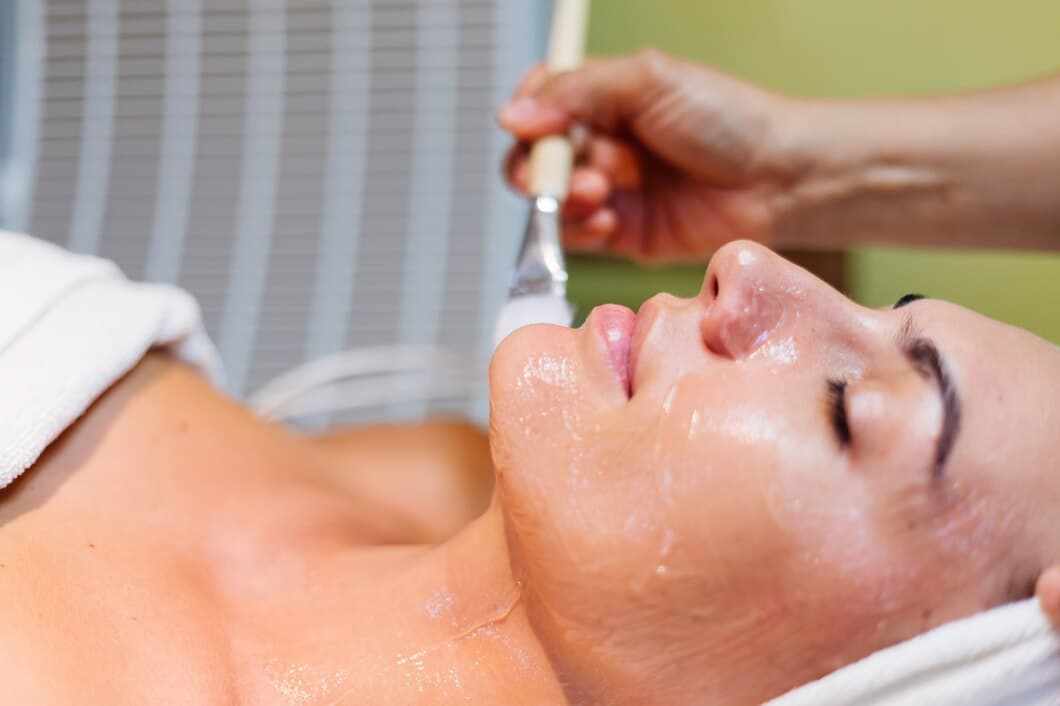
Medical grade chemical peels use specially formulated solutions to exfoliate the outer layers of skin. By removing pigmented layer cells, peels accelerate skin renewal and reveal fresher, more even tone underneath.
Peels vary in strength, from surface peels that require minimal downtime to deeper peels that penetrate further for more dramatic results. Specialists tailor the peel type based on skin type, sensitivity, and pigmentation severity.
Microneedling and Radiofrequency Combinations
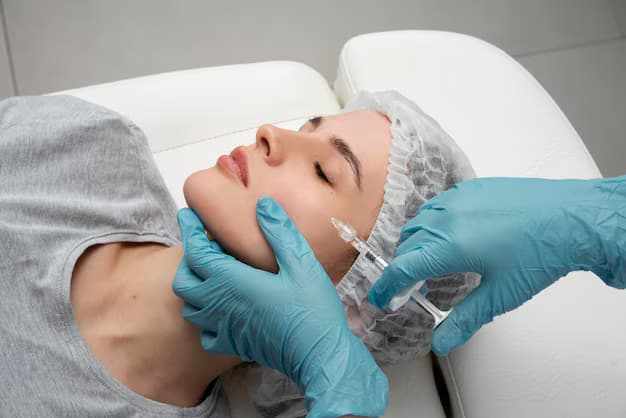
Microneedling involves tiny controlled micro channels created in the skin surface, stimulating the body’s healing response. When combined with radiofrequency energy, this approach reaches deeper layers to promote collagen production, improve texture, and support pigment reduction.
This combined method can enhance the skin’s ability to absorb customised serums that help regulate melanin production and repair texture irregularities associated with pigmentation.
Topical Medical Grade Treatments
Professional clinics often incorporate medical grade topical agents into the treatment plan. These may include pigment regulating compounds such as tranexamic acid, vitamin C derivatives, retinoids, and brightening serums. These formulations support the skin between professional sessions and help maintain results.
Combination Treatment Plans
Hyperpigmentation often responds best to a multi faceted approach rather than a single treatment. For example, laser therapy may address deeper pigment while chemical peels and topical agents manage surface discolouration. A personalised hyperpigmentation treatment Cheshire plan often integrates several modalities to achieve balanced and sustained improvement.
Suitability for Different Skin Types
One of the strengths of professional pigmentation care is the ability to customise treatments for varying skin tones and sensitivities.
Light to Medium Skin Tones
Many laser, IPL, and peel options are effective in lighter skin types when parameters are matched correctly. These therapies help treat sun spots and post inflammatory hyperpigmentation with careful monitoring.
Darker Skin Tones
Darker skin tones require cautious selection of treatments to reduce the risk of post‑treatment pigmentation changes. Specialists select lasers and settings that are safer for melanin rich skin and may prioritise gentler options such as lower energy pulses, microneedling, or customised peels.
What to Expect During and After Treatment
Professional hyperpigmentation treatment plans are typically delivered over a series of sessions spaced weeks apart to support safe and consistent improvement.
During laser or light treatments, most individuals experience mild warmth or tingling sensations. Chemical peels may cause temporary tingling or flaking as the skin renews itself. Aftercare guidance typically includes sun protection, soothing products, and advice on maintaining skin balance to prevent new pigmentation.
Results often develop gradually as pigment breaks down and new, healthier skin replaces discoloured areas. Clinics emphasise realistic expectations and ongoing care for the best outcomes.
Importance of Sun Protection
Regardless of the chosen treatment modality, sun protection is critical. UV exposure can quickly reverse progress, so broad spectrum sunscreen, protective clothing, and minimising direct sun exposure are essential parts of any hyperpigmentation treatment Cheshire plan.
Safety and Professional Expertise
Professional treatments are most effective and safest when administered by trained specialists who understand skin biology, pigment behaviour, and energy based technologies. Choosing a clinic with expertise in personalised care reduces risk and enhances long term satisfaction.
Conclusion
Hyperpigmentation can be a persistent cosmetic concern, but advanced professional treatments in Cheshire provide effective solutions when tailored to individual needs. From picosecond and Q‑switched lasers to IPL, medical grade chemical peels, microneedling combinations, and targeted topical therapies, clinics offer a range of options that address both surface and deeper pigment.
For those seeking expert hyperpigmentation treatment Cheshire with personalised care and advanced technology, Este Medical Group Cheshire provides professional assessment, customised treatment plans, and compassionate support at the conclusion of your journey toward clearer, more radiant skin.



Write a comment ...