
Uneven skin tone is one of the most common complexion concerns faced by both men and women. It can make the skin appear dull, patchy, and aged, affecting overall confidence and self-esteem. The causes of uneven skin tone vary from sun exposure and hormonal changes to post-inflammatory hyperpigmentation and lifestyle habits. Fortunately, modern aesthetic treatments and professional skincare options have made it easier than ever to restore balance and radiance to the complexion.
This comprehensive guide explores how advanced pigmentation care can help treat uneven skin tone effectively and safely for those seeking solutions for skin pigmentation in Cheshire.
Understanding Uneven Skin Tone
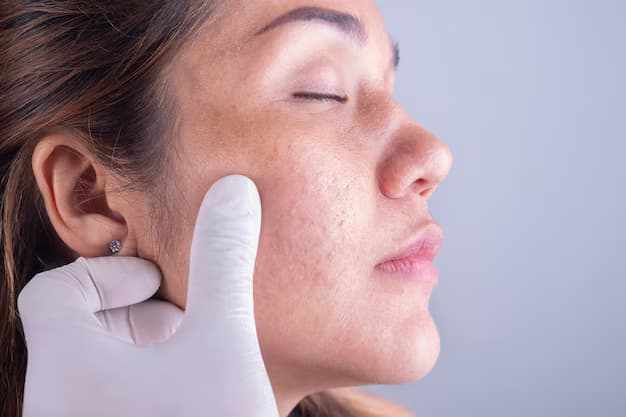
Uneven skin tone refers to irregular areas of skin colour that appear darker or lighter than the surrounding skin. This imbalance occurs when melanin production becomes disrupted due to internal or external factors.
Common Causes of Uneven Skin Tone
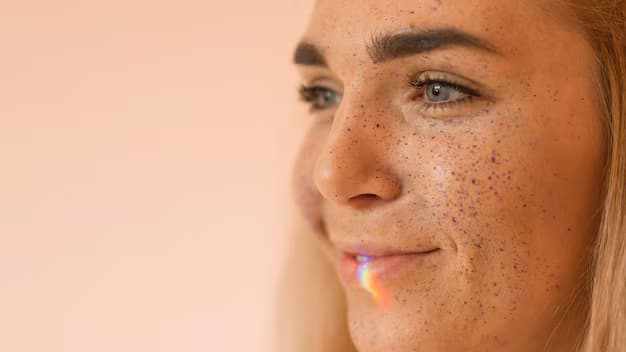
Sun Exposure
Excessive sun exposure without protection is one of the leading causes of pigmentation problems. UV rays trigger the overproduction of melanin, leading to sunspots, freckles, and dark patches.Hormonal Changes
Hormonal fluctuations, particularly during pregnancy or when using hormonal contraceptives, can cause melasma—often identified as brown or greyish patches on the face.Post-Inflammatory Hyperpigmentation (PIH)
After acne, cuts, or skin trauma, dark marks can remain as a result of inflammation. This type of pigmentation is especially common in individuals with deeper skin tones.Ageing and Environmental Damage
As the skin ages, it becomes more susceptible to pigmentation caused by UV rays, pollution, and oxidative stress.Lifestyle Factors
Smoking, poor diet, and insufficient skincare can also exacerbate uneven skin tone by affecting the skin’s ability to regenerate and heal.
The Science Behind Skin Pigmentation
Melanin is the natural pigment responsible for determining skin, hair, and eye colour. When melanin is produced unevenly or in excess, it leads to hyperpigmentation. Conversely, areas with reduced melanin production can appear lighter, creating an uneven texture or tone.
How Melanin Production Works
Melanocytes, located in the basal layer of the epidermis, produce melanin in response to stimuli such as sunlight or hormonal changes. Overactive melanocytes result in darker patches or pigmentation spots. Understanding this process helps in determining the most effective treatment options for skin pigmentation in Cheshire.
Professional Treatments for Uneven Skin Tone
Advanced skincare clinics now offer various non-invasive treatments to correct pigmentation irregularities. These procedures are tailored to each individual’s skin type, condition, and goals, providing noticeable and long-lasting improvements.
Laser Skin Treatments
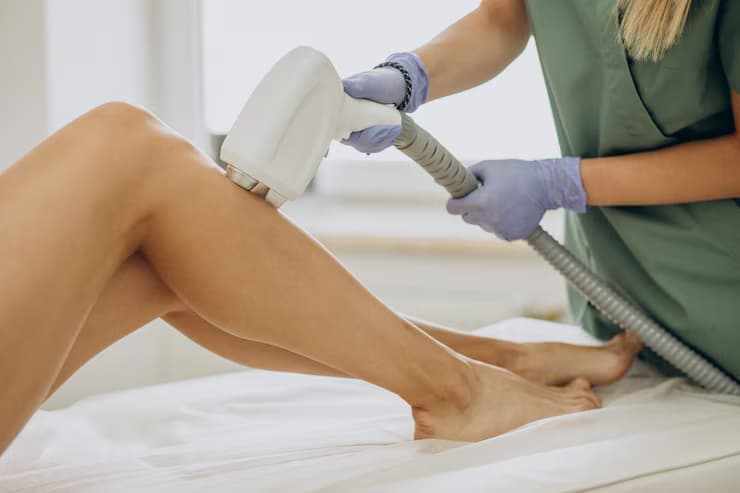
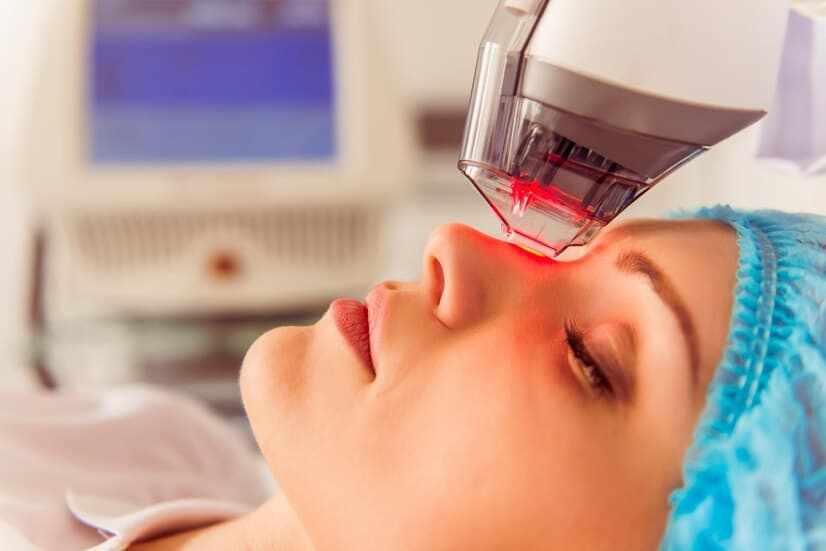
Laser treatments are one of the most effective solutions for pigmentation concerns. The laser targets excess melanin in the skin, breaking it down into smaller particles that the body can naturally eliminate. This helps to fade dark spots and even out skin tone.
Benefits:
Precise targeting of pigmentation areas
Minimal downtime
Suitable for most skin types
Popular Options:
Fractional lasers
Q-switched Nd:YAG lasers
Chemical Peels
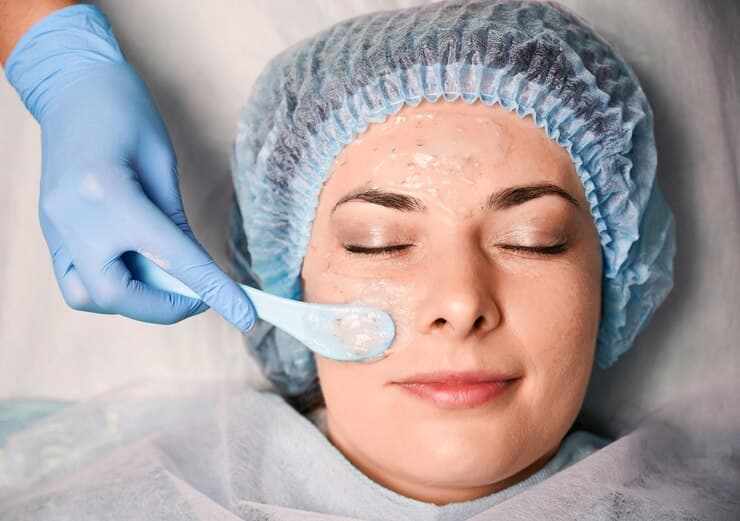
Chemical peels use specially formulated acids to exfoliate the outer layer of the skin, removing dead cells and promoting cell turnover. This process helps to lighten dark spots, smooth texture, and enhance radiance.
Benefits:
Improves overall tone and texture
Reduces pigmentation and acne scars
Stimulates collagen production
Common Types of Peels:
Glycolic acid peel
Lactic acid peel
TCA (trichloroacetic acid) peel
Microdermabrasion and Dermaplaning
These mechanical exfoliation methods gently remove the top layer of the skin to reveal a fresher, brighter complexion. Regular sessions can significantly improve uneven tone and texture.
Benefits:
Non-invasive procedure
Instant glow and smoother skin
Enhances the absorption of skincare products
Intense Pulsed Light (IPL) Therapy
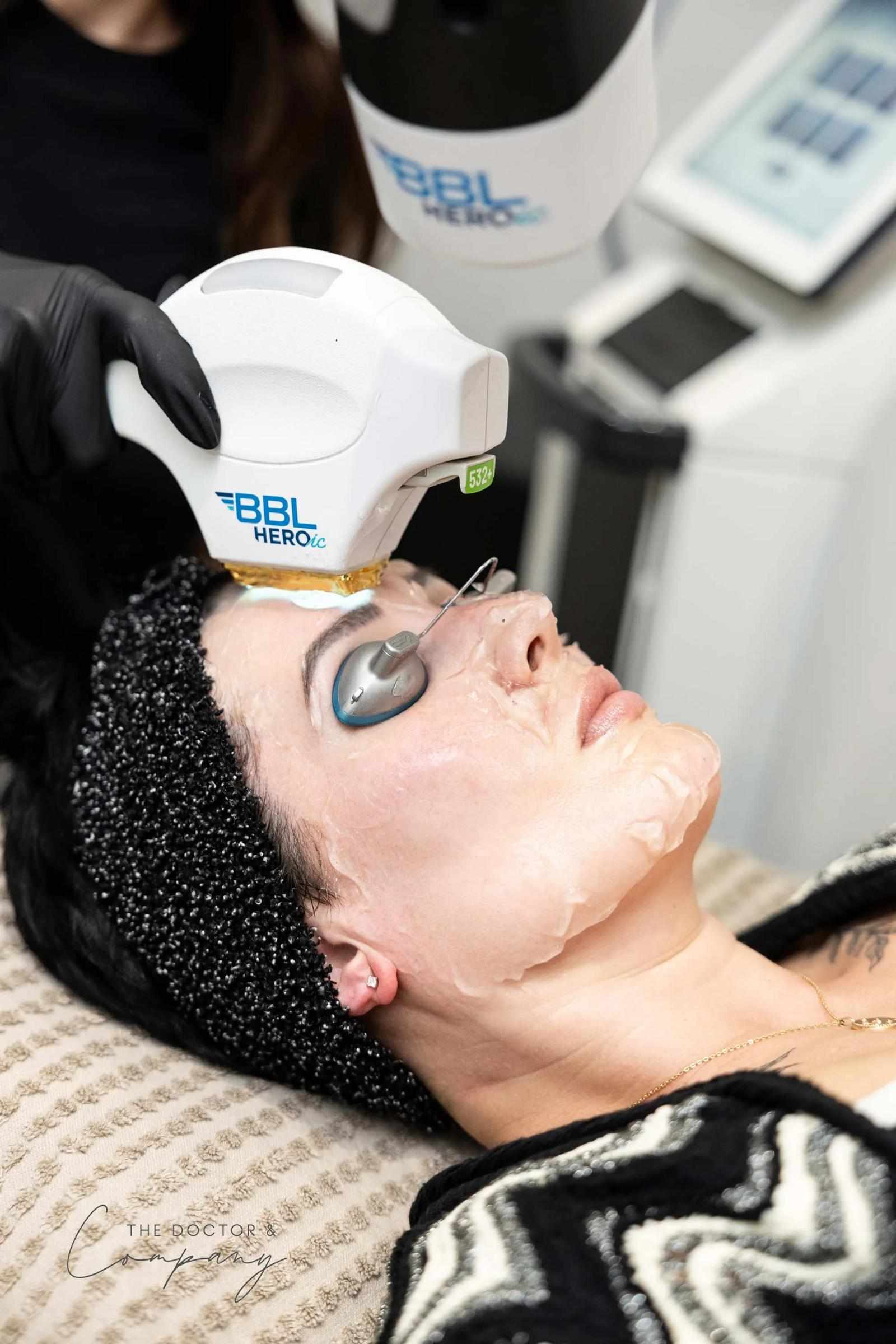
IPL therapy uses broad-spectrum light to target pigmentation and redness in the skin. It helps to break down pigmented cells, reduce discoloration, and promote collagen renewal.
Benefits:
Effective for sunspots and age spots
Improves skin texture and tone
Minimal downtime required
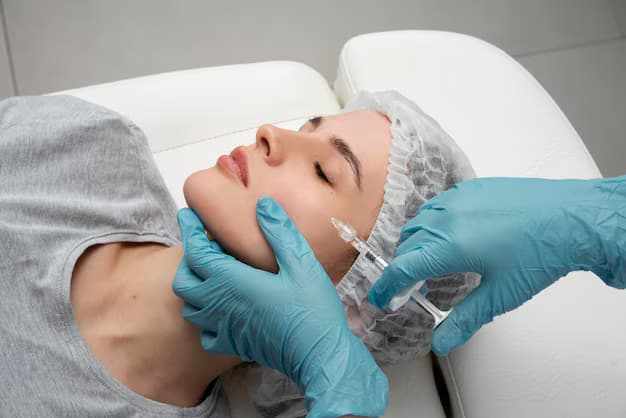
Microneedling
Microneedling stimulates the skin’s natural healing process by creating micro-injuries in the surface. This encourages collagen and elastin production, helping to fade pigmentation and enhance evenness.
Benefits:
Natural rejuvenation process
Reduces dark marks and scars
Improves firmness and radiance
Topical Solutions for Pigmentation
While professional treatments offer the most significant results, at-home skincare can play a vital role in maintaining and enhancing the outcomes.
Key Ingredients to Look For
Vitamin C – A powerful antioxidant that brightens the skin and protects it from UV-induced pigmentation.
Niacinamide (Vitamin B3) – Helps reduce inflammation and inhibit melanin transfer to the skin’s surface.
Retinoids – Stimulate cell turnover and improve skin texture and tone.
Alpha Arbutin – A natural ingredient that helps fade dark spots.
Licorice Extract – Soothes inflammation and brightens discoloured areas.
Importance of Sun Protection
No pigmentation treatment is complete without consistent sun protection. Daily use of broad-spectrum SPF 30 or higher prevents further pigmentation and protects the skin from UV damage.
Lifestyle Changes to Support Even Skin Tone
Adopting a balanced skincare and wellness routine can significantly improve skin clarity and tone.
Healthy Diet and Hydration
A diet rich in antioxidants, vitamins, and minerals supports skin regeneration. Foods like berries, leafy greens, nuts, and fatty fish help combat oxidative stress and promote even complexion.
Adequate Sleep and Stress Management
Quality sleep allows the skin to repair and regenerate, while chronic stress can trigger hormonal imbalances that worsen pigmentation.
Consistent Skincare Routine
Regular cleansing, exfoliation, and moisturising help maintain healthy skin function. Avoid harsh products that can irritate or inflame the skin, leading to pigmentation flare-ups.
When to Seek Professional Help
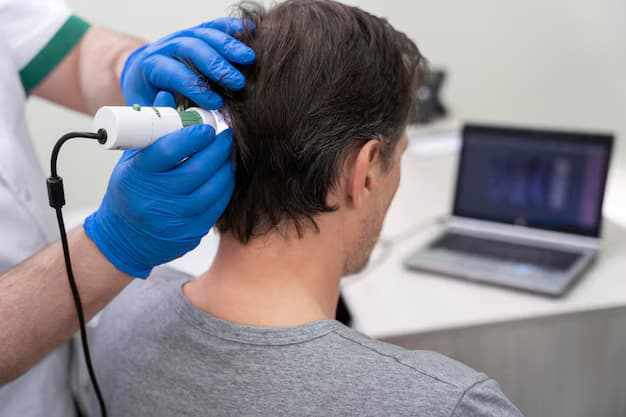
If over-the-counter products fail to improve skin tone, it’s advisable to consult a skincare specialist. A professional can assess the underlying cause of pigmentation and design a personalised treatment plan that combines in-clinic procedures with at-home care.
Early consultation also helps prevent the condition from worsening and ensures safe, effective treatment options tailored to your unique skin type.
Long-Term Maintenance and Prevention
After treating pigmentation, maintaining results requires ongoing care.
Key Tips:
Use SPF daily, even on cloudy days.
Follow a consistent skincare routine with brightening ingredients.
Schedule regular professional treatments to maintain skin clarity.
Avoid excessive sun exposure, especially during peak hours.
Keep skin hydrated and nourished.
Conclusion
Achieving a balanced, glowing complexion is possible with the right combination of professional care, effective skincare, and healthy habits. Advanced treatments and pigmentation therapies available for skin pigmentation in Cheshire offer safe and reliable solutions to correct uneven skin tone and restore natural radiance.
For individuals seeking expert guidance and proven treatments, Este Medical Group Cheshire provides comprehensive pigmentation care tailored to each client’s unique skin concerns and goals.





Write a comment ...