
Hair loss can have a profound impact on self-confidence, and hair transplants have become an increasingly popular solution for those seeking to restore their hairline or increase density. Residents of Cheshire are among those exploring advanced techniques to achieve natural and long-lasting results. While a hair transplant Cheshire provides immediate improvement in the treated areas, preventing future hair loss is equally important to maintain the aesthetic benefits. Understanding the steps and lifestyle considerations necessary after a hair transplant ensures long-term satisfaction and helps safeguard the investment in one’s appearance.
Understanding Hair Transplants and Post-Transplant Care
A hair transplant involves relocating healthy hair follicles from a donor area, typically the back or sides of the scalp, to areas affected by thinning or balding. While this procedure provides new hair growth, the underlying factors that contributed to hair loss initially may still persist. Therefore, post-transplant care and preventive strategies play a key role in achieving lasting results.
How Hair Transplants Address Hair Loss
Hair transplants restore hair in areas where follicles have weakened or been lost due to hereditary patterns or medical conditions. The procedure can create a natural hairline and improve density, giving the appearance of fuller hair. However, hair that is genetically predisposed to thinning outside the transplanted area may continue to shed if preventive measures are not taken.
The Importance of Preventive Measures
Preventing future hair loss ensures that the newly transplanted hair remains prominent while maintaining the overall health of the existing hair. Strategies to reduce further thinning may involve lifestyle adjustments, topical treatments, and ongoing monitoring by hair specialists.
Lifestyle Adjustments for Maintaining Hair Health
Certain lifestyle choices can influence hair retention and overall scalp health. Implementing simple habits in daily routines can help prolong the results of a hair transplant.
Balanced Nutrition for Healthy Hair
Hair growth relies on a variety of nutrients, including vitamins, minerals, and proteins. Consuming a diet rich in leafy greens, fruits, lean proteins, and healthy fats supports follicle function and encourages strong hair growth. Biotin, zinc, iron, and vitamin D are particularly important for hair vitality.
Stress Management
Chronic stress can exacerbate hair loss by disrupting the natural growth cycle. Techniques such as meditation, regular exercise, deep breathing exercises, and sufficient sleep can help manage stress levels. Individuals who practice stress reduction often notice improved scalp health and hair retention.
Limiting Harmful Hair Practices
Excessive heat styling, chemical treatments, and tight hairstyles can damage hair and weaken follicles. After a hair transplant, it is advisable to avoid harsh practices to prevent undue stress on both transplanted and existing hair.
Medical and Topical Solutions to Support Hair Retention
Beyond lifestyle habits, several medical and topical interventions have proven effective in slowing or preventing future hair loss.
Minoxidil for Sustained Hair Growth
Minoxidil is a topical solution that stimulates hair follicles and encourages growth. Regular application to thinning areas can maintain existing hair and support the integration of transplanted follicles. It is often recommended as part of a long-term hair maintenance plan.
Finasteride and Other Oral Medications
Finasteride is an oral medication that can reduce the conversion of testosterone into dihydrotestosterone, a hormone responsible for male pattern baldness. By controlling DHT levels, finasteride helps prevent further thinning and complements the results of a hair transplant. Its use should be monitored by a qualified healthcare provider to ensure safety.
Scalp Treatments and Therapies
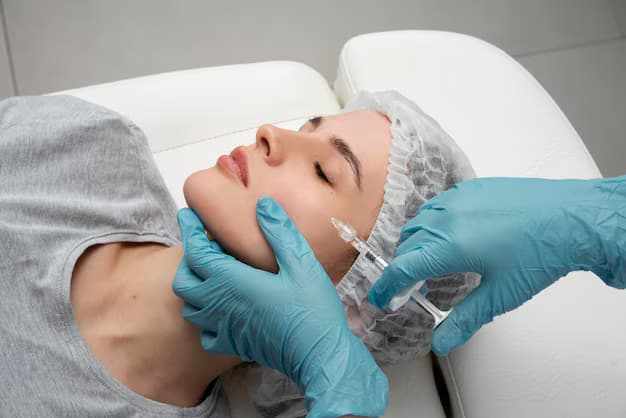
Other supportive treatments, such as low level laser therapy, PRP injections, or platelet rich plasma therapy, can enhance follicle health. These methods increase circulation to the scalp and stimulate dormant hair follicles, helping preserve overall hair density and supporting transplanted hair growth.
Protecting the Scalp Post-Transplant
The scalp is particularly vulnerable after a hair transplant. Protecting it from damage is essential to ensure both transplanted and existing hair thrive.
Avoiding Sun Exposure
Direct sunlight can irritate the scalp and damage delicate new follicles. Wearing a hat or using protective SPF sprays can prevent UV-related damage and reduce the risk of inflammation or premature shedding.
Gentle Hair Care Practices
Immediately after a hair transplant, gentle cleansing and soft handling of the scalp are crucial. Using mild shampoos, avoiding excessive rubbing, and gently patting hair dry help minimize trauma to transplanted follicles.
Regular Check-Ups With Hair Specialists
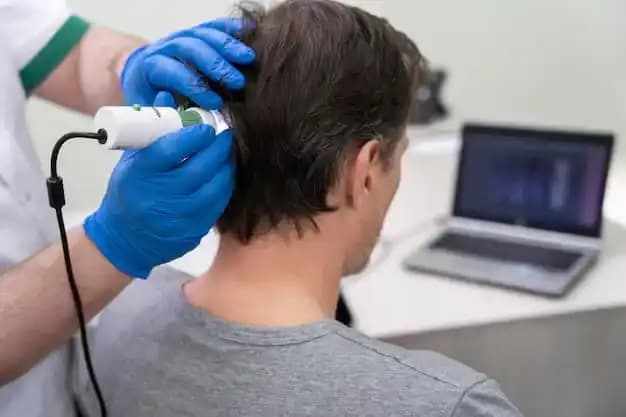
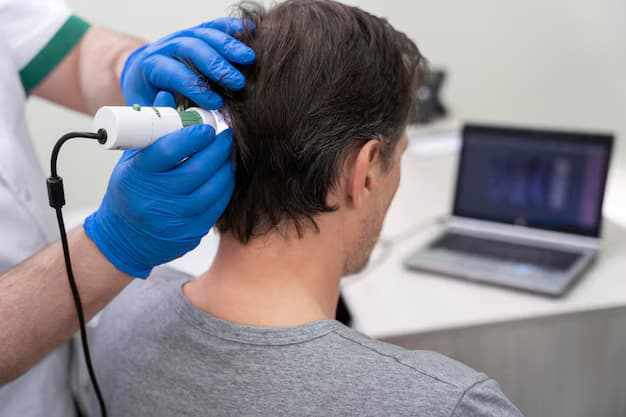
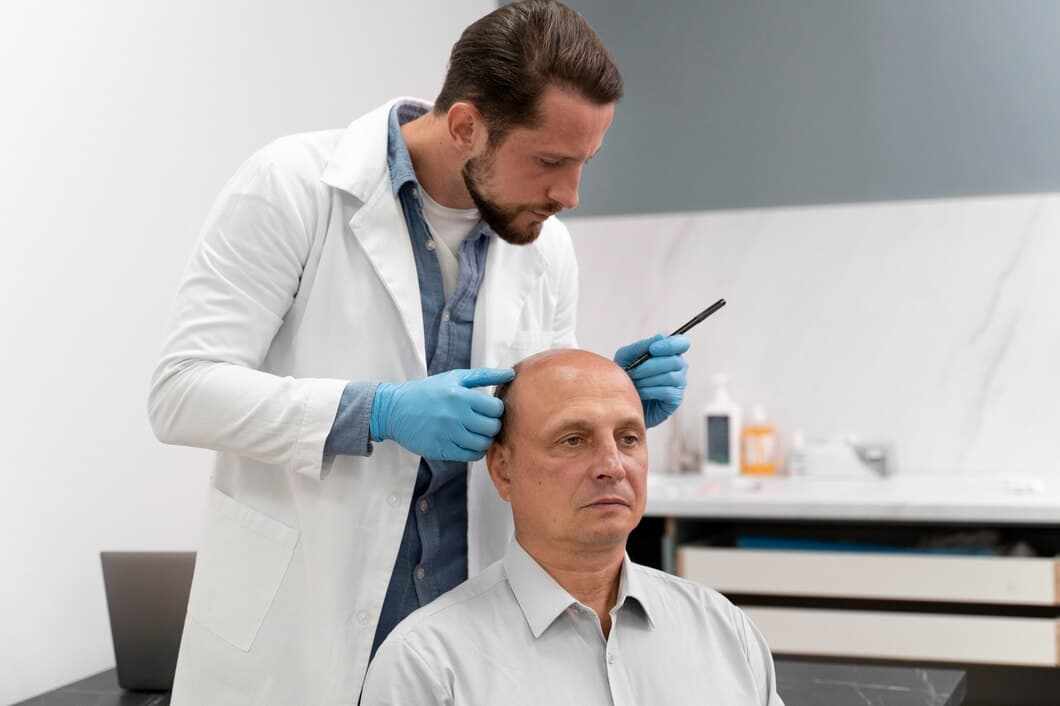
Follow-up appointments allow specialists to monitor the progress of transplanted hair and provide advice on preventive measures. Any early signs of thinning in non-transplanted areas can be addressed promptly with medical or topical interventions.
Recognising Early Signs of Hair Loss
Being proactive involves recognising and responding to early signs of hair thinning. Regular self-assessment and professional evaluations ensure timely action.
Changes in Hair Density or Texture
Thinning hair or reduced volume in areas not previously treated may indicate early signs of hair loss. Tracking these changes allows for immediate intervention before significant shedding occurs.
Receding Hairline or Diffuse Thinning
A gradually receding hairline or diffuse thinning across the scalp may require a combination of medical treatments and lifestyle adjustments. Early recognition improves the chances of preserving hair in these regions.
Consulting Professionals for Personalized Strategies
Every individual’s hair loss pattern is unique. Consulting a hair specialist ensures that preventive strategies are tailored to personal needs, genetics, and lifestyle factors.
Long-Term Strategies for Maintaining Results
Maintaining a hair transplant requires ongoing commitment. Incorporating long-term strategies can help residents of Cheshire enjoy enduring results.
Consistent Use of Recommended Treatments
Adhering to prescribed topical or oral treatments ensures that both transplanted and native hair are supported. Consistency is critical for long-term efficacy.
Healthy Habits and Scalp Care
A balanced diet, stress management, gentle hair care, and sun protection collectively contribute to maintaining hair density. These habits not only benefit hair but also overall scalp health.
Monitoring and Adjusting Plans as Needed
Regular reviews with specialists allow adjustments to treatments based on hair growth patterns. Proactive measures ensure that new or ongoing thinning is managed effectively.
Conclusion
A hair transplant in Cheshire can deliver significant improvement in hair density and confidence, but maintaining long-lasting results requires careful attention to post-transplant care and preventive strategies. Combining a healthy lifestyle, appropriate medical treatments, and proper scalp care can protect both transplanted and existing hair. For residents seeking expert guidance and personalised support to prevent future hair loss, Este Medical Group Cheshire provides comprehensive care and advanced solutions to preserve and enhance hair for the long term.











Write a comment ...