
Alopecia, or hair loss, affects millions of people worldwide and can have a profound impact on confidence and self-image. While it can occur for a variety of reasons, from genetics and hormonal changes to autoimmune conditions, the good news is that modern science continues to offer advanced solutions for those seeking to restore their hair naturally. In recent years, alopecia treatment Cheshire has evolved significantly, with cutting-edge techniques providing long-lasting and realistic results.
Understanding Alopecia
Alopecia is a general term used to describe hair loss from the scalp or other areas of the body. It can range from mild thinning to complete baldness and may occur suddenly or gradually over time. Understanding the underlying cause is crucial for determining the most effective treatment plan.
Types of Alopecia
There are several forms of alopecia, each requiring a unique approach to treatment.
Androgenetic Alopecia: Commonly known as male or female pattern baldness, this hereditary condition causes gradual thinning over time.
Alopecia Areata: An autoimmune disorder that leads to patchy hair loss on the scalp or body when the immune system mistakenly attacks hair follicles.
Traction Alopecia: Caused by continuous tension or pulling on the hair, often due to tight hairstyles.
Cicatricial Alopecia: Also known as scarring alopecia, this form results from inflammation that destroys hair follicles and replaces them with scar tissue.
Telogen Effluvium: A temporary shedding phase triggered by stress, illness, or hormonal changes.
The Importance of Early Diagnosis
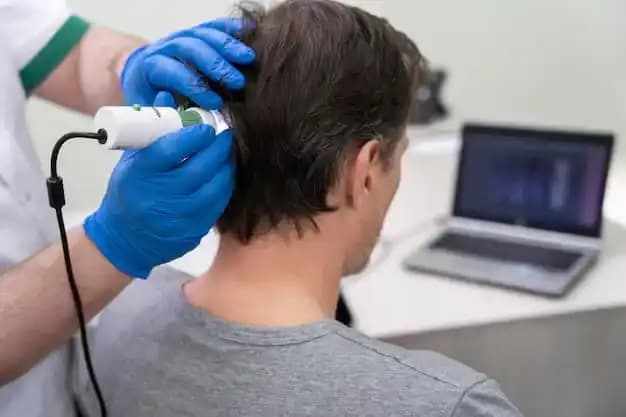
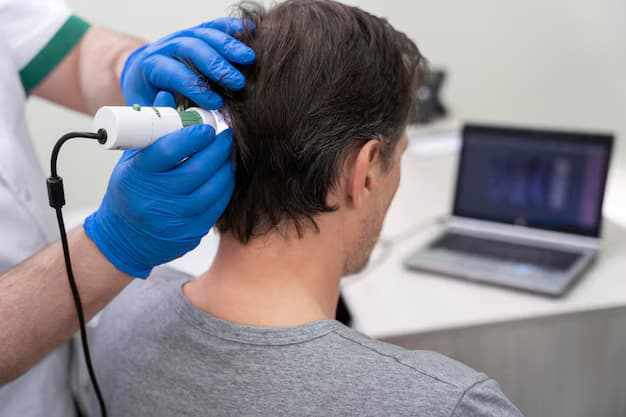
Early detection and treatment play a key role in managing alopecia effectively. By consulting a hair specialist early on, patients can prevent further loss and increase the chances of regrowth. Trichologists and dermatologists in Cheshire often perform detailed scalp analyses, blood tests, and medical histories to determine the specific cause of hair loss and tailor a treatment plan accordingly.
Latest Alopecia Treatment Options
Modern advancements have transformed how alopecia is managed, moving beyond traditional solutions like wigs or over-the-counter topical treatments. New therapies now focus on stimulating natural regrowth, improving scalp health, and addressing the root cause of hair loss.
1. Platelet-Rich Plasma (PRP) Therapy
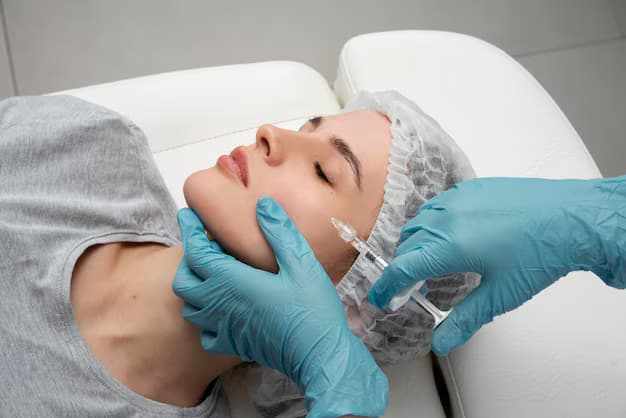
PRP therapy is one of the most innovative treatments available for alopecia today. It involves drawing a small amount of the patient’s blood, processing it to concentrate the platelets, and then injecting it into the scalp. These platelets release growth factors that repair and rejuvenate hair follicles, encouraging new growth and strengthening existing hair.
This non-surgical treatment is popular for its natural approach, as it uses the body’s own healing mechanisms. It typically requires multiple sessions, and results improve gradually over several months.
2. Exosome Therapy
Exosome therapy represents one of the most exciting breakthroughs in regenerative medicine. Exosomes are microscopic particles derived from stem cells that carry essential proteins and growth factors. When injected into the scalp, they enhance cellular communication, reduce inflammation, and activate dormant follicles.
Patients receiving exosome therapy often report stronger, thicker hair growth and improved scalp health. It is a suitable option for various types of alopecia, particularly for those looking for advanced, non-invasive solutions.
3. Low-Level Laser Therapy (LLLT)
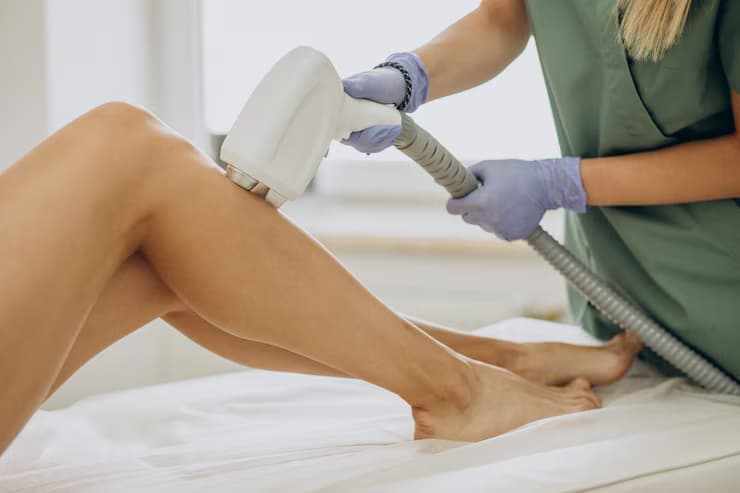
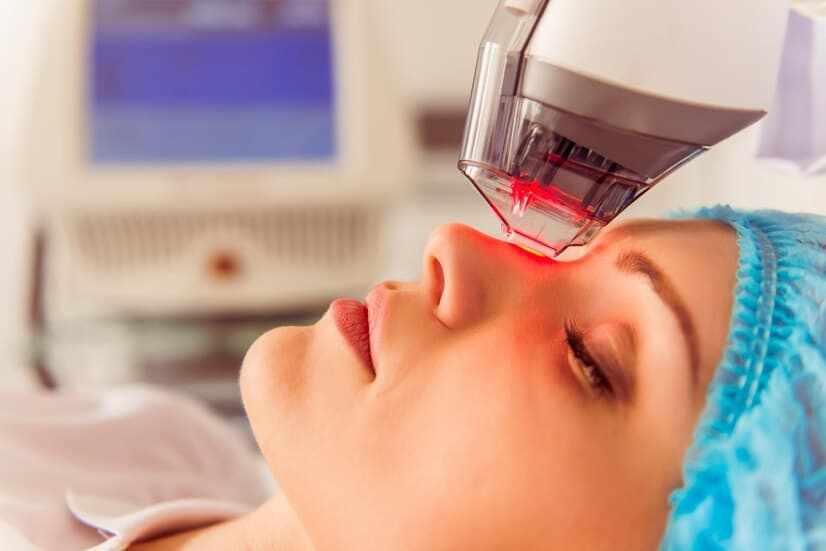
Low-level laser therapy is a scientifically proven method to stimulate hair growth using light energy. The light penetrates the scalp and improves blood circulation, increasing nutrient delivery to the hair follicles. This helps extend the growth phase of the hair cycle, resulting in thicker and fuller hair over time.
LLLT devices can be used both in clinical settings and at home, with laser caps or combs providing convenient ongoing maintenance.
4. Microneedling with Growth Serums
Microneedling involves using a device equipped with tiny needles to create controlled micro-injuries on the scalp. This process stimulates collagen production and enhances the absorption of topical growth serums. When combined with platelet-rich plasma or peptides, microneedling significantly boosts follicle regeneration and scalp circulation.
This minimally invasive treatment is ideal for individuals experiencing early to moderate hair loss.
5. Mesotherapy
Mesotherapy involves injecting a cocktail of vitamins, minerals, amino acids, and medications directly into the scalp. This nutrient-rich formula nourishes the hair follicles, strengthens roots, and improves overall scalp health.
The treatment is gentle, non-surgical, and highly effective for individuals with thinning hair or weakened follicles. It also helps reduce hair breakage and stimulates natural regrowth.
6. Hair Transplantation
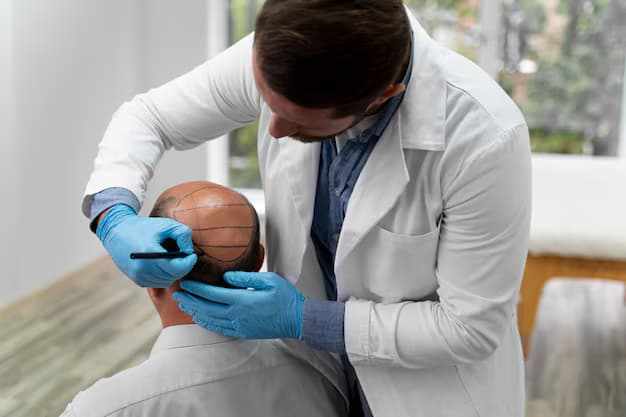
For those with advanced hair loss or areas where follicles are no longer active, hair transplantation offers a permanent solution. The procedure involves removing healthy follicles from a donor area (usually the back of the scalp) and implanting them into balding sections.
Modern transplant methods, such as Follicular Unit Extraction (FUE) and Direct Hair Implantation (DHI), ensure natural-looking results with minimal downtime. With these techniques, hair continues to grow normally, blending seamlessly with surrounding strands.
7. Scalp Micropigmentation (SMP)
For individuals who prefer a non-surgical aesthetic approach, scalp micropigmentation is a powerful option. This technique uses micro-needles to deposit pigment into the scalp, creating the illusion of hair follicles. It’s especially useful for concealing thinning areas, scars, or patchy baldness, giving the appearance of a fuller head of hair.
Lifestyle and Dietary Support for Alopecia
Treatments alone are not enough for long-term results. Supporting hair growth through proper nutrition and lifestyle changes is essential.
1. Balanced Nutrition
A diet rich in vitamins, minerals, and proteins strengthens the hair shaft and promotes follicle activity. Key nutrients include:
Iron and zinc for oxygen delivery and follicle repair.
Vitamin D for hair cycle regulation.
Biotin and omega-3 fatty acids for strong, shiny strands.
2. Stress Management
Stress can significantly impact the hair cycle, often leading to shedding or delayed growth. Regular exercise, meditation, and sufficient sleep can help regulate stress hormones and support overall scalp health.
3. Scalp Care
Maintaining a clean and healthy scalp is vital. Using gentle, sulfate-free shampoos and massaging the scalp regularly can improve blood flow and ensure nutrients reach the follicles effectively.
4. Avoiding Harsh Treatments
Chemical dyes, heat styling, and tight hairstyles can contribute to follicle damage and traction alopecia. Limiting these practices allows hair to recover naturally.
Emerging Research and Future Treatments
The field of alopecia treatment continues to evolve rapidly. Researchers are exploring gene therapy, stem cell applications, and bioengineered follicle regeneration to create permanent cures for hair loss. In addition, advanced imaging and diagnostic tools are helping specialists personalize treatments more precisely than ever before.
These breakthroughs reflect the growing emphasis on individualized care, allowing patients in Cheshire to benefit from tailored solutions based on their hair type, medical history, and genetic profile.
What to Expect During Alopecia Treatment
Patients undergoing alopecia treatment can expect a gradual process, as true regeneration takes time. Most therapies involve multiple sessions spaced weeks apart to allow the scalp to heal and respond effectively.
During initial consultations, specialists assess the pattern and cause of hair loss, then recommend suitable treatments. Over the course of therapy, patients typically notice reduced shedding, improved hair texture, and visible new growth in affected areas.
Consistency is key, as following the treatment plan and aftercare instructions ensures optimal outcomes.
Psychological Benefits of Alopecia Treatment
Hair restoration goes beyond aesthetics; it has a profound emotional and psychological impact. Regaining lost hair often boosts confidence, improves self-esteem, and helps individuals feel more comfortable in social and professional settings. For many, effective alopecia treatment marks the beginning of renewed self-assurance and a positive outlook.
Conclusion
Modern medical advancements have revolutionized the way alopecia is treated. From regenerative therapies like PRP and exosome therapy to hair transplants and laser techniques, individuals now have a wide range of safe and effective solutions to restore natural growth and confidence.
Each person’s journey with hair loss is unique, and with the right professional guidance, it is possible to achieve remarkable improvement. For those seeking expert care and the most advanced alopecia treatment Cheshire has to offer, Este Medical Group Cheshire provides personalized solutions that blend innovation with natural results, helping clients regain healthy, vibrant hair and renewed confidence.



Write a comment ...