
Chemical peels have become one of the most effective and versatile skin treatments for individuals seeking a refreshed, youthful, and radiant complexion. For those exploring options for a chemical peel in Cheshire, it can be helpful to understand the different types of peels, their unique benefits, and how to select the most suitable one for your skin type and concerns. This guide explores the essentials of chemical peels, their benefits, and how to choose the ideal treatment for the best results.
Understanding What a Chemical Peel Is
How Chemical Peels Work
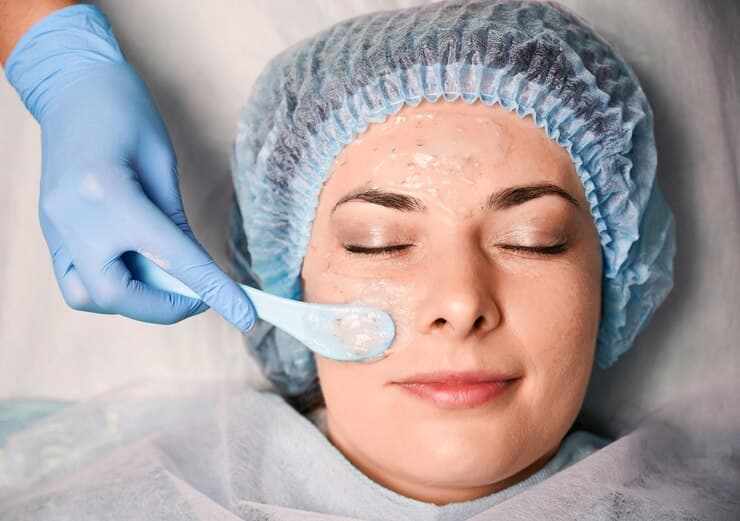
A chemical peel is a professional skincare treatment designed to exfoliate the top layers of the skin. This is achieved by applying a specially formulated chemical solution that removes dead skin cells and promotes new cell growth. The result is smoother, clearer, and more evenly toned skin.
The Purpose of a Chemical Peel
Chemical peels target various skin issues, including fine lines, wrinkles, acne scars, hyperpigmentation, sun damage, and uneven skin tone. They are suitable for individuals seeking non-invasive rejuvenation and can be customised to meet specific skin needs.
Types of Chemical Peels
Chemical peels vary in strength and ingredients, allowing professionals to tailor treatments to individual skin types. The three main categories include:
Superficial or Light Peels
Light chemical peels gently exfoliate the outermost layer of the skin, known as the epidermis. They are ideal for individuals who want to improve dullness, mild pigmentation, or minor acne concerns. Ingredients like alpha hydroxy acids (AHAs) and beta hydroxy acids (BHAs) are commonly used in these treatments.
Benefits of Superficial Peels
Minimal downtime and quick recovery
Immediate improvement in skin texture and radiance
Suitable for all skin types, including sensitive skin
Medium Peels
Medium-depth chemical peels penetrate deeper into the skin, targeting both the epidermis and the upper layer of the dermis. These peels often use trichloroacetic acid (TCA) or glycolic acid to address more visible signs of ageing, sun damage, and uneven pigmentation.
Benefits of Medium Peels
Reduction of fine lines and age spots
Noticeable improvement in skin firmness
Effective for acne scars and moderate pigmentation issues
Deep Peels
Deep chemical peels are the most intensive option, targeting severe wrinkles, deep scars, and extensive sun damage. These peels use stronger agents such as phenol to achieve dramatic rejuvenation results.
Benefits of Deep Peels
Long-lasting improvement in skin tone and texture
Reduction of deep wrinkles and significant pigmentation
Enhanced collagen production for firmer skin
Choosing the Right Peel for Your Skin Type
For Oily or Acne-Prone Skin
Individuals with oily or acne-prone skin benefit from peels containing salicylic acid or glycolic acid. These ingredients penetrate pores deeply, helping to remove excess oil, reduce inflammation, and prevent breakouts.
For Dry or Sensitive Skin
Those with sensitive or dry skin should consider milder peels with lactic acid or mandelic acid. These provide gentle exfoliation without causing irritation or excessive dryness.
For Combination Skin
Combination skin types may require a balanced approach, often using customised peel blends. Professionals can tailor the treatment to target oilier areas such as the T-zone while keeping the drier regions hydrated.
For Mature or Ageing Skin
People experiencing wrinkles, fine lines, or sagging skin benefit from medium or deep peels that stimulate collagen and cell regeneration. These treatments restore firmness and promote a youthful glow.
Preparing for a Chemical Peel
Consultation and Skin Assessment
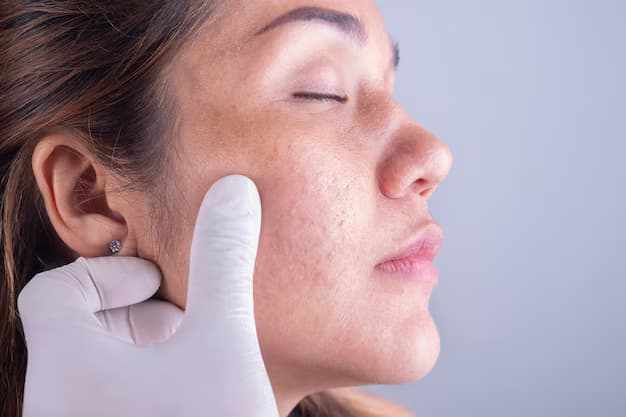
Before undergoing a chemical peel in Cheshire, it is crucial to schedule a professional consultation. A qualified skincare specialist assesses the client’s skin type, history, and aesthetic goals to determine the best peel type and strength.
Pre-Treatment Care
To ensure the best results, clients are often advised to follow a pre-peel skincare routine. This may include using specific serums or exfoliating agents to prepare the skin and minimise potential side effects.
The Chemical Peel Procedure
Step-by-Step Process
Cleansing – The skin is thoroughly cleansed to remove any oils or impurities.
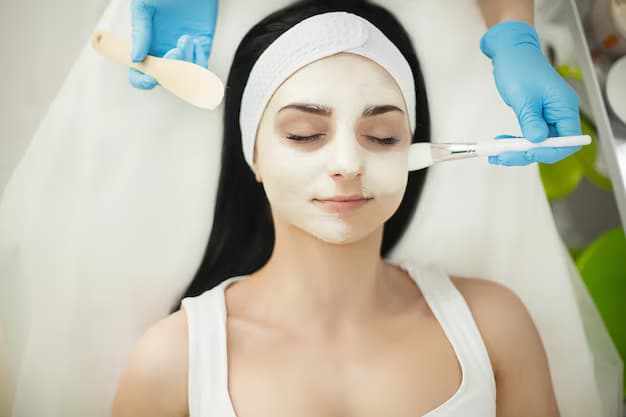
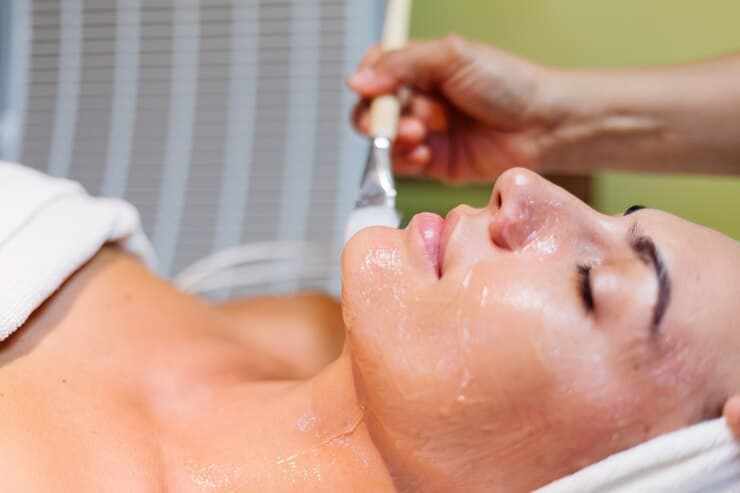
Application – The chosen chemical solution is carefully applied to the skin’s surface.
Activation – The solution works for a specific period, depending on the peel type and desired outcome.
Neutralisation – The peel is then neutralised or removed, followed by soothing skincare products to calm the skin.
Treatment Duration
A typical session can take between 30 to 60 minutes, making it a convenient option for individuals with busy schedules.
What to Expect After Treatment
Immediate Effects
After a chemical peel, it is normal to experience mild redness, tightness, or slight peeling for a few days. These effects indicate that the skin is renewing itself.
Recovery and Aftercare
Post-peel care is crucial for optimal results. Clients should:
Avoid direct sunlight and use sunscreen daily
Keep the skin hydrated with gentle moisturisers
Refrain from picking or peeling the treated area
Avoid using strong exfoliants or active skincare ingredients for at least one week
Results Timeline
Results from light peels are often visible within a few days, showing improved smoothness and glow. Medium and deep peels may take longer to reveal final results, typically within two to four weeks, offering a more significant transformation.
Combining Chemical Peels with Other Treatments
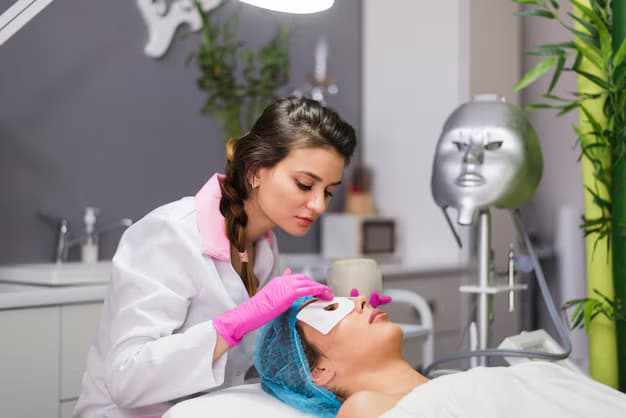
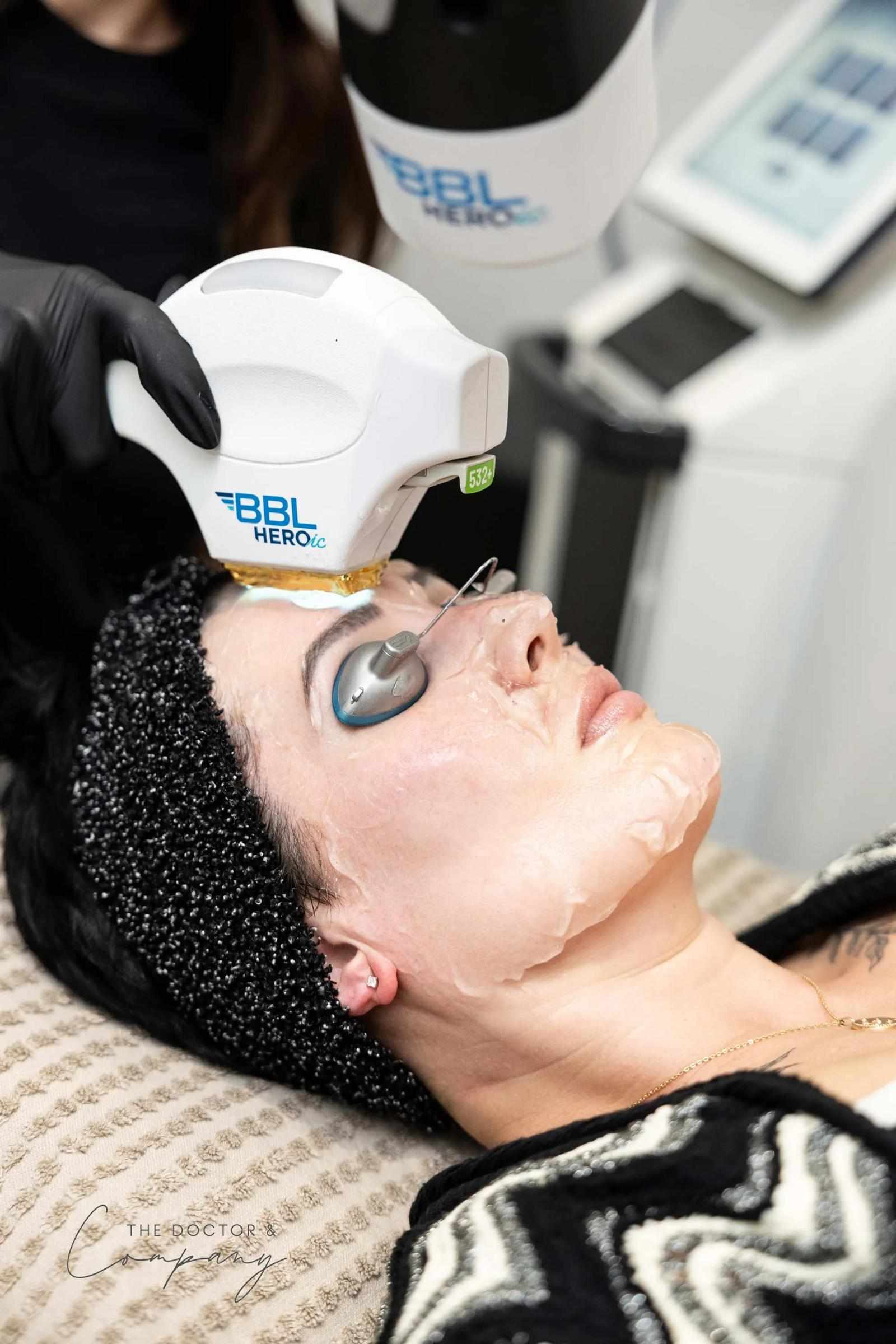
Many aesthetic clinics recommend combining chemical peels with complementary treatments to enhance results. For instance, pairing a peel with microneedling, LED therapy, or hydrating facials can further improve texture and skin tone.
Common Myths About Chemical Peels
Myth 1: Chemical Peels Are Painful
Most modern chemical peels are designed for comfort. While a mild tingling sensation may occur, discomfort is generally minimal.
Myth 2: Peels Are Only for Severe Skin Problems
Chemical peels are suitable for anyone seeking brighter, more even skin, not just those with major skin issues.
Myth 3: Peels Cause Skin Thinning
Peels encourage collagen production and cell turnover, which actually strengthens the skin over time rather than thinning it.
The Long-Term Benefits of Chemical Peels
Regular chemical peel sessions help maintain youthful, radiant skin. Benefits include:
Enhanced skin texture and tone
Reduced appearance of pores and scars
Long-lasting improvement in skin health
Boosted confidence through improved complexion
Why Professional Expertise Matters
Choosing the right practitioner is essential for achieving safe and effective results. An experienced skincare professional ensures the correct peel formulation, strength, and aftercare are tailored to each individual.
Conclusion
Selecting the right chemical peel in Cheshire involves understanding one’s skin type, concerns, and goals. With professional guidance, individuals can achieve smoother, clearer, and healthier-looking skin through this versatile treatment. Whether addressing acne, pigmentation, or signs of ageing, chemical peels offer transformative results that restore confidence and natural beauty.
For those seeking expert consultation and high-quality aesthetic care, Este Medical Group Cheshire provides trusted professional guidance and treatment excellence.







Write a comment ...